Explain the animal's role without borrowing a sample claim
Distinguish companionship, routines, and any trained behavior. Do not add a task because a sample letter uses it or claim an animal helps in a way you have never observed.
Prepare for a Colorado ESA evaluation with an honest account of symptoms, daily limitations and the animal’s actual support. Organize relevant records, confirm the clinician’s credentials and use the appointment to discuss your circumstances without rehearsing a promised result.
Identify the animal and the living situation you want the clinician to consider. If the issue is a pet restriction, a second animal, or a change of home, say so plainly.
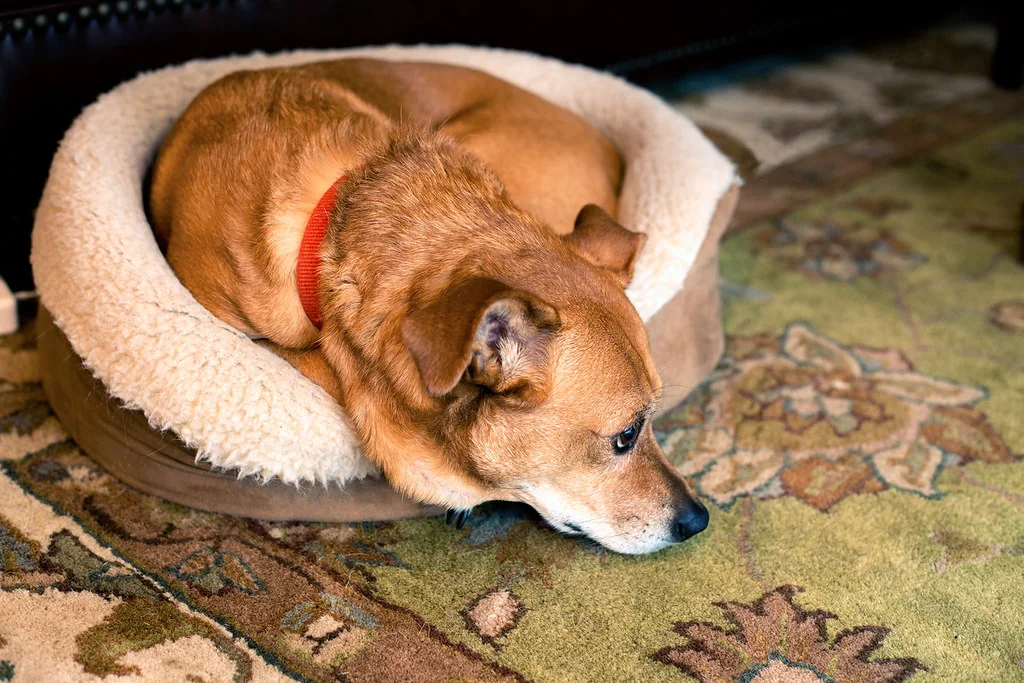
Choose two or three ordinary situations that show how symptoms affect daily functioning. Describe what happened, what became difficult, and the support you observed from the animal.
Where were you, and what were you trying to do?
What became harder or could not be completed?
What did the animal do, and what effect did you notice?
Which part is unclear or varies from one occasion to another?
An example can be incomplete: describe what happened, then say which part you cannot reliably recall. A precise uncertainty is more useful than a detail added only to make the story sound finished.

Distinguish companionship, routines, and any trained behavior. Do not add a task because a sample letter uses it or claim an animal helps in a way you have never observed.
It is acceptable to say that you are unsure how to describe a symptom or whether the animal is helpful. The clinician’s role is to assess, not to reward the most persuasive application.
Read the services agreement and privacy information. Ask about unclear terms before signing, including what the evaluation covers and what may appear in a resulting letter.
Choose a setting where you can speak comfortably and receive follow-up messages. Tell the team about an accessibility or communication need before an appointment when possible.
Review the service description alongside your assessment notes. Ask about unfamiliar inclusions before checkout; preparing carefully supports review but does not predetermine the clinician’s decision.
$149.00
24-48 Hour
$159.00
24-48 Hour
$199.00
24-48 Hour
$199.00
24-48 Hour
$225.00
24-48 Hour
Colorado Service Animals does not offer an ESA registry. A professional evaluation determines whether documentation is appropriate; optional cards and certificates do not establish access rights.
Answer within each question's timeframe and identify the support animal or animals involved.
The licensed professional reviews your circumstances and determines whether the documentation has a clinical basis.
If documentation is approved, review the delivered details and use the existing case for any correction request.
No. Use accurate descriptions from your own experience. Sample language can include findings or animal behaviors that have never been established for your situation.
Ask which information is relevant first. A focused submission can make the clinical history easier to understand without circulating unrelated records.
Tell the team about the communication need as early as possible. Ask what arrangements are available for the planned review rather than struggling to follow an unsuitable format.
Clarify whether information is still outstanding, where follow-up will arrive and how to contact the team about the case. Keep that administrative plan separate from assumptions about approval.
A few notes can help you remember dates, examples and questions. Treat them as a memory aid, and tell the clinician when something is uncertain rather than reading a prepared conclusion.
Clinical preparation notes and a housing submission serve different purposes. Ask the reviewer which resulting documentation is relevant to the accommodation request instead of forwarding your full notes automatically.

Check whether the clinician needs more information, whether another appointment is required, and where the decision will appear. Keep the case reference for administrative questions.
For a time-sensitive housing dispute, obtain housing advice in parallel with clinical follow-up. CCRD publishes a one-year housing complaint period after the alleged discriminatory act.
Appointment-preparation information for Colorado residents; reviewed October 2026, not medical or legal advice. Local authority requirements can change and should be checked with the responsible office. Attending screening does not guarantee an approved letter. CSA has no affiliation with public agencies or property associations. Immediate crisis support can be reached through 988 .
Prepare a few recent examples, identify the housing issue, and note anything unclear in the consent or service description. It is useful to tell the clinician what you do not know as well as what you have observed.