ESA Housing Letter For One Pet
$149.00
24-48 Hour
- ESA Documentation
- Licensed Professional Review
- 24-48 Hour Processing
- Valid for 1 Year
- Digital Copy
- Renewal Reminders
- Email Support
Reduced motivation can make a housing application feel like another difficult task. Begin free screening with a manageable account of daily functioning, companionship and any help needed with animal care.
Explain a routine you struggle to begin and the practical consequence at home.
Describe whether you can continue the activity once started, including help another person provides.
Tell the evaluator how often the difficulty occurs and whether your experience changes across days.

If interacting with your animal helps you engage with a routine, describe the moment and what followed. That might concern caring for the animal or feeling able to reconnect with a household activity.
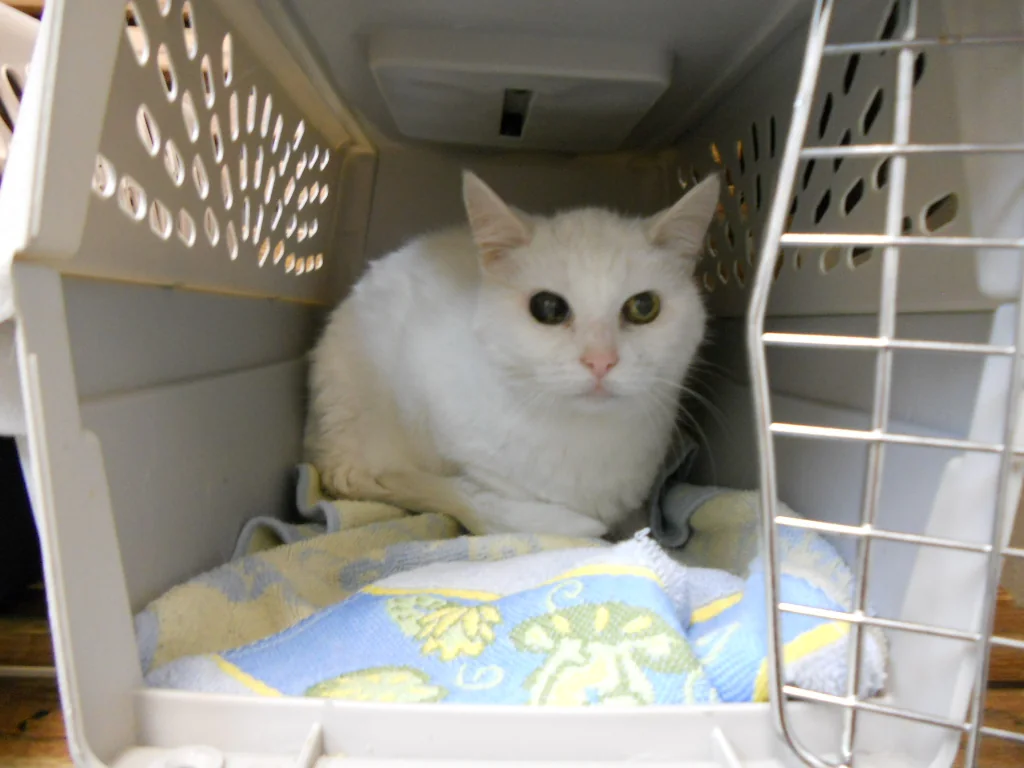
Use only an experience that is true for you. A photograph of a companion animal is not evidence of treatment benefit, and another applicant’s story cannot establish your need.
Understand the individual housing assessment
Write a few private notes before the appointment if that is manageable. You do not need to produce polished medical wording.

Caring for an animal can also become difficult during a period of reduced functioning. Discuss the responsibility openly; an arrangement should account for the animal’s welfare as well as the support it provides.
Identify who can help with food, water, toileting, and other routine needs if you cannot manage them.
Confirm that the person can assist rather than assuming availability. Agree on how to contact them when help is needed.
Plan transport, reminders, and access to the animal’s care information for veterinary visits or a longer absence.
ASA’s current prices are shown here so you can review the cost before beginning. An assessment order is not depression treatment or a guarantee of an ESA recommendation.
$149.00
24-48 Hour
$159.00
24-48 Hour
$199.00
24-48 Hour
$199.00
24-48 Hour
$225.00
24-48 Hour
Colorado Service Animals does not offer an ESA registry. A professional evaluation determines whether documentation is appropriate; optional cards and certificates do not establish access rights.
Continue raising treatment questions and changes in symptoms with your treating provider. A request for animal-related housing documentation does not replace those appointments.
Discuss the functional limitation and the animal’s observed role with the reviewer. Include uncertainties and responsibilities that affect the arrangement.
Retain the signed document and the property’s messages. Ask about a specific follow-up request before sending a personal journal or unrelated treatment information.
Answer from your current experience. If concentration or motivation makes preparation difficult, identify that difficulty instead of filling the gaps with somebody else's story.
A clinician licensed in Colorado considers the functional effects and the animal's contribution. You can ask what further information is necessary and check the clinician through Colorado's license verification service .
Retain the issued version and its contact information. An assessment can also conclude that a letter is not appropriate; a payment or a well-written account cannot predetermine that result.
| Single-animal ESA | An individual housing review concerning one animal's reported support. |
|---|---|
| Multiple-animal ESA | A request involving several animals, with relevant support details for each. |
| Psychiatric service-dog letter | A clinical documentation question about a service-dog context; it does not train the dog. |
| Certificate or ID bundle | Optional accompanying items that cannot confer housing or public-entry rights. |
Include that difficulty and any backup arrangement. A reliable relative, roommate, or paid caregiver can be part of the practical discussion; concealing a care problem does not improve an assessment.
An ESA housing assessment can consider disability-related support from companionship. It is a different question from whether a dog performs individually trained service work.
No. Continue discussing treatment and changes in your condition with your treating provider. This application concerns documentation for a particular animal-related request.
Colorado depression-related documentation guidance, current as of October 2026, for applicants and people assisting with preparation. It is not medical advice or legal advice. Check local authority instructions because those rules can change. Describing depressive symptoms in screening does not automatically qualify an applicant for a housing letter. CSA is not affiliated with NIMH , government offices or housing associations. A person in crisis can reach 988 .
Give the evaluator an honest account of home responsibilities affected by depression and the animal's observed contribution. Identify where another person's assistance is needed to keep the arrangement workable.