Provide relevant history, functional effects, and the animal's observed role through the designated assessment channel.
Prepare the clinical discussion Colorado · Eating disorders · Housing support
Eating disorders and an ESA housing request
An eating-disorder housing review considers the animal’s observed support and the effect of symptoms on daily life. Start with free screening, discuss sensitive details with the clinician and continue established treatment.
Sensitive information
Defined service scope
Ongoing care
Begin with functioning and the purpose of the request
An eating-disorder-related housing review concerns an individual's disability-related animal support. It is not a request to prove the seriousness of an experience through a public account of food, weight, or appearance.
Tell the clinician how everyday life is affected and ask which history is needed for this particular assessment. NIMH describes eating disorders as serious illnesses that can require professional care.
Sort the information by who needs to review it
Ask what supporting documentation is needed for the accommodation. Detailed clinical logs do not automatically belong in property correspondence.
Understand the housing inquiryKeep medical, nutritional, and psychological care questions with the professionals responsible for those parts of treatment.
Find clinical background and help resources
Photo details
Moustache Cat at back window.. Resized and converted to WebP; displayed with responsive cropping.Explain companionship in the terms you experience it
If the animal helps you feel less alone or makes a home routine more manageable, describe the actual interaction. Explain what you could do afterward and what remained difficult.
The useful question is what changed in your daily functioning, rather than what an animal is supposed to do for everyone with the same diagnosis.
Keep any observed emotional support separate from a claim about nutritional recovery or medical stabilization. Those conclusions cannot be supplied by a product description.
Colorado ESA and PSD Pricing for Eating-Disorder Housing Reviews
Compare the documentation services with the request you are making. These fees do not purchase nutritional care, medical monitoring, or continuing therapy, and the assessment may require further information before any clinical conclusion.
ESA Housing Letter For One Pet
$149.00
24-48 Hour
- ESA Documentation
- Licensed Professional Review
- 24-48 Hour Processing
- Valid for 1 Year
- Digital Copy
- Renewal Reminders
- Email Support
ESA Housing Letter For Multiple Pets
$159.00
24-48 Hour
- ESA Letter For Multiple Pets
- All Pets Included in One Letter
- 24-48 Hour Processing
- Valid for 1 Year
- Digital Copy
- Priority Phone & Email Support
- Renewal Reminders
- Save $99!
PSA Letter
$199.00
24-48 Hour
- PSD Documentation
- Licensed Professional Review
- 24-48 Hour Processing
- Valid for 1 Year
- Digital Copy
- Renewal Reminders
- Priority Phone & Email Support
Bundle Packages
ESA Letter + Certificate Bundle
$199.00
24-48 Hour
- ESA Documentation
- ESA Certificate
- Licensed Professional Review
- 24-48 Hour Processing
- Digital Copies
- Priority Phone & Email Support
PSD Letter + Certificate + ID Card
$225.00
24-48 Hour
- PSD Documentation
- PSD Certificate
- PSD ID Card
- Licensed Professional Review
- 24-48 Hour Processing
- Digital Copies Only
- Priority Phone & Email Support
Clinical assessment Secure checkout Current catalog prices
Colorado Service Animals does not offer an ESA registry. A professional evaluation determines whether documentation is appropriate; optional cards and certificates do not establish access rights.
Prepare language you can comfortably explain
You can ask the evaluator how to provide sensitive information. A clear, limited example is a better starting point than copying another person's story.

Photo details
UF Norman Office Laptop Desk Workstation. Resized and converted to WebP; displayed with responsive cropping.- Name the affected part of the day.
Identify a routine or responsibility without adding unnecessary clinical detail to a general housing message.
- Describe the animal interaction.
Say what happened and why it mattered to that activity.
- Leave a question for the reviewer.
If you are unsure whether a detail is relevant, ask instead of guessing what will support approval.
Maintain the care arrangements already supporting you
Your established treatment
An animal-related documentation process should not interrupt appointments or replace the professionals managing your health. Raise significant changes or urgent concerns through the appropriate care service rather than waiting for a letter.
The animal's everyday needs
Discuss feeding, exercise, cleaning, and veterinary responsibilities. Identify reliable help when your health makes those tasks difficult.
A change in circumstances
If the proposed home arrangement or available assistance changes, tell the evaluator which part of the animal-support account is affected.
Respond to the specific documentation question
Open your existing documentation case- If a reviewer requests more information
- Ask what point needs clarification, then provide the relevant response through the current case.
- If a property manager requests sensitive records
- Clarify the purpose and scope of the request before forwarding material intended for a clinical professional.
- If an issued document contains an error
- Contact the issuer to correct it rather than editing the clinical statement yourself.
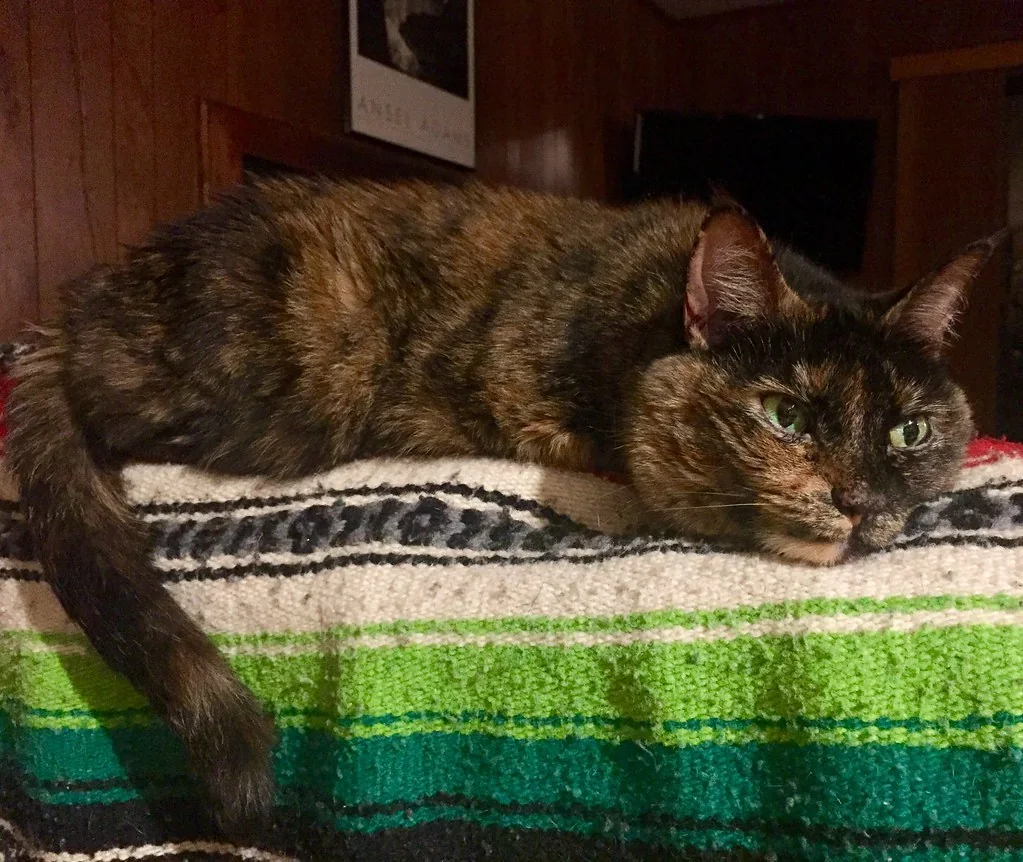
Photo details
Hazel. Resized and converted to WebP; displayed with responsive cropping.Provide the initial context
Describe the home situation and the support being requested through the screening questions.
Review the individual need
A clinician licensed in Colorado assesses the functional account and animal support; purchasing an assessment does not determine its findings.
Follow the documentation outcome
An approved letter arrives by email. If more information is needed, respond through the existing case while continuing your established care.
- Initial screening free
- Relevant disclosure
- Independent assessment
Identify the Colorado professional before sharing clinical records
The evaluator's identity should be clear before you send sensitive information. Ask for the professional name, license number and the appropriate channel for any requested records.
A credential check establishes who is listed in the public record; it does not tell you which private records a housing contact needs. Keep that disclosure question separate.
Questions about privacy and the animal's role in care
Information and privacy
Should I put weight or food records in my landlord email?
Do not send detailed clinical logs merely because you are making a housing request. Ask what supporting information is necessary and discuss sensitive records with the evaluator.
What if describing symptoms feels difficult?
Tell the reviewing clinician and ask how to provide the relevant information. The assessment should use an accurate account, not pressure you to reproduce a sample story.
Can I explain support without giving measurements or meal details?
You can begin with the activities affected and the companionship you observe. Ask the clinician directly if further clinical details are needed rather than putting sensitive measurements into a general property message.
Support and clinical scope
Can companionship replace eating-disorder care?
No. Animal-related support does not replace medical, nutritional, or psychological care. Describe its actual role alongside the professional care you receive.
What should I record before an ESA evaluation involving eating disorders?
You do not need to turn a housing message into a food or weight log. Ask the evaluator what history is relevant and describe the effect on everyday functioning in language you are comfortable using.
Does an eating-disorder diagnosis guarantee an ESA housing letter?
A diagnosis is not a guaranteed documentation outcome. The reviewing professional needs to consider the disability-related housing question and the animal's actual contribution in your circumstances.
Sources and review date: October 12, 2026
Eating-disorder documentation information for Colorado applicants, reviewed October 2026. The guide is not legal advice or medical advice. Confirm current local authority requirements; they can change. Screening does not guarantee a letter and is separate from ongoing treatment. CSA is independent of government agencies and property associations. In a crisis, help is available at 988 .
Keep the housing-support question connected to ongoing care
Explain the animal's role in daily life without assigning it responsibility for nutrition or medical monitoring. Share questions about the relationship between the request and existing treatment with the clinician.
Purposeful sharing
Accurate support
Careful disclosure