ESA Housing Letter For One Pet
$149.00
24-48 Hour
- ESA Documentation
- Licensed Professional Review
- 24-48 Hour Processing
- Valid for 1 Year
- Digital Copy
- Renewal Reminders
- Email Support
Aurora · Arapahoe, Adams & Douglas counties · Del Mar
Different animals can have different roles in the same home. Prepare an Aurora ESA evaluation around the support you actually receive, the residence involved, and the person reviewing your request.
Sharing a lease does not mean sharing the same clinical need. Make it possible for the reviewer to distinguish the resident, each animal and the address involved.
Describe the daily limitations relevant to you. A roommate's diagnosis does not establish your disability-related need.
Name the animal and explain its observed help. An ordinary household pet should not be silently grouped into someone else's accommodation.
Keep the street, unit and property contact together so supporting material reaches the appropriate reviewer.
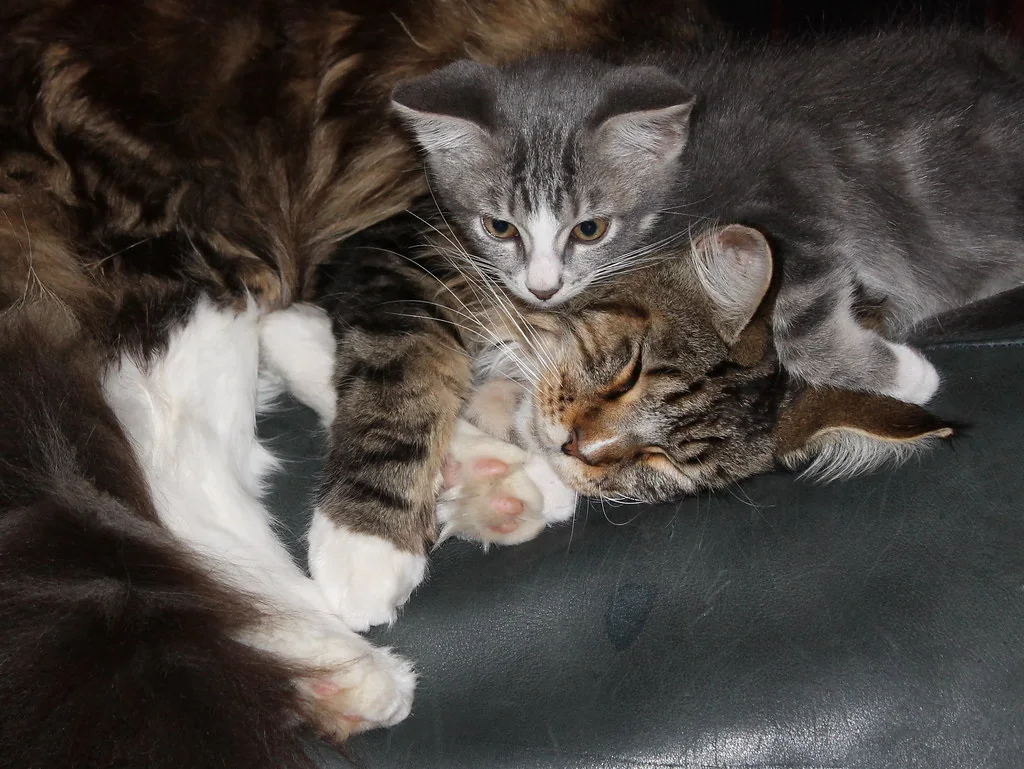
Discuss the symptoms and daily limitations you experience, then describe each animal's particular contribution. Companionship from one animal does not automatically explain the need for another.
A useful preparation question: what changes in your daily functioning when you interact with this particular animal?
A cat providing comfort and a dog performing trained tasks may require different explanations. Keep those accounts accurate instead of treating the entire household as one category.
Explore Aurora ESA and PSD distinctionsThe catalog below comes from ASA's current plans. Read the inclusions for the service you are considering; a multiple-animal household does not automatically need every document offered.
$149.00
24-48 Hour
$159.00
24-48 Hour
$199.00
24-48 Hour
$199.00
24-48 Hour
$225.00
24-48 Hour
Colorado Service Animals does not offer an ESA registry. A professional evaluation determines whether documentation is appropriate; optional cards and certificates do not establish access rights.
Use an ordinary day to explain when support matters. Include the moments when an animal's presence does not resolve the difficulty.
Identify the activity you could not manage as usual and what made it difficult.
Describe what occurred, including companionship or a specific trained response where relevant.
Explain any practical change in functioning without attributing an improvement you did not observe.
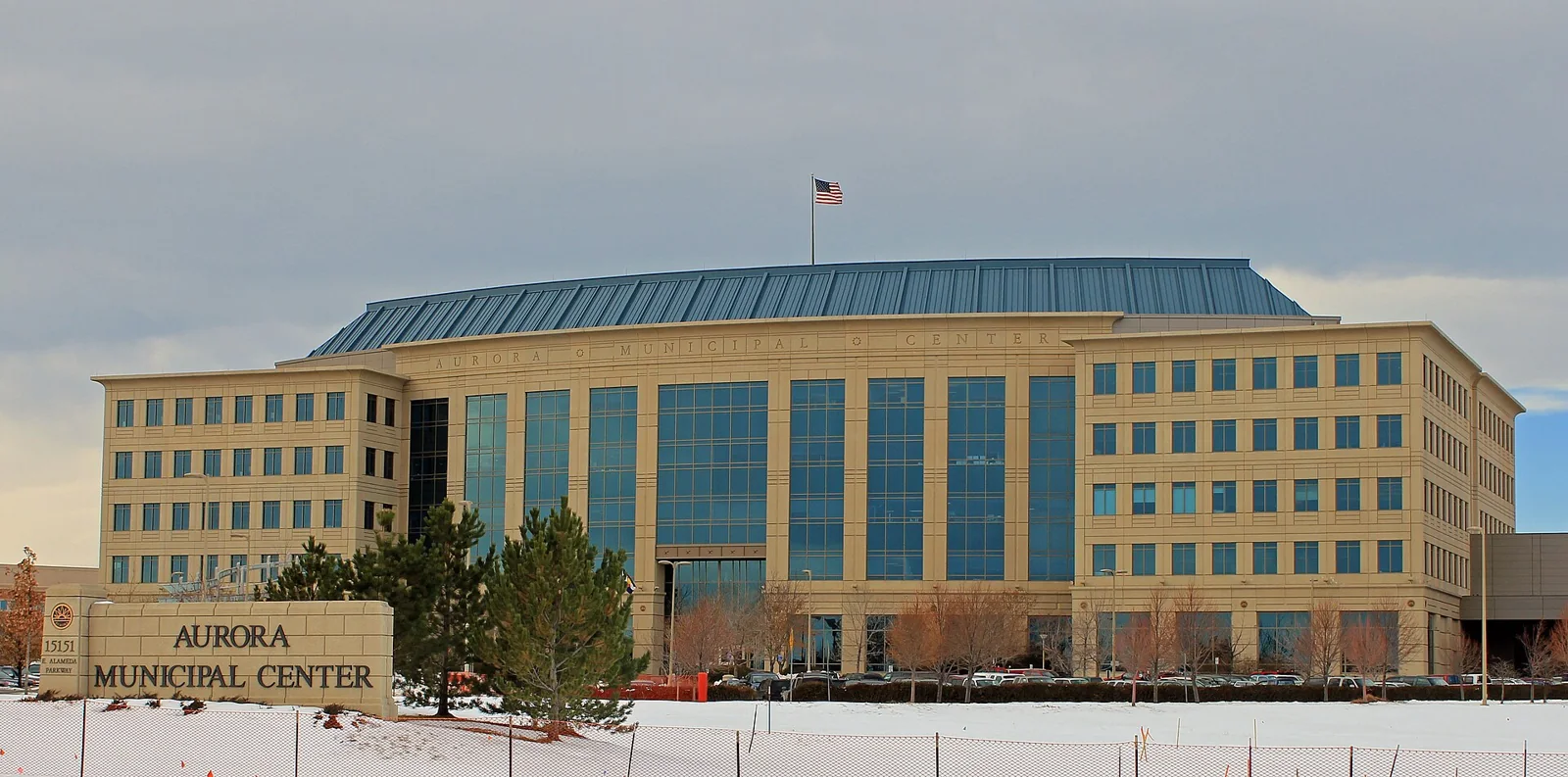
Aurora provides dog and cat licensing through Animal Services. Use the city's instructions for identification and licensing records, independently of the clinical documentation supplied for housing. For resident cats, the city's cat guidance specifies licensing and current rabies vaccination from six months of age.
Aurora Animal ServicesAurora spans Arapahoe, Adams, and Douglas counties. Neighborhood names help with orientation, but the lease and complete address identify the home for your request.
These map links are starting points for locating a property, not a list of buildings that have agreed to an accommodation.
This checklist runs in your browser. It does not transmit a request or decide whether a clinician will recommend an ESA.
When the Aurora review finishes, compare the approved animals and document types with your request. If an animal is absent, ask for clarification; do not edit a signed file to add it yourself.
Open the card that matches the record or animal you are asking about.
No. Animal Services licensing identifies the animal; a clinician's letter concerns a disability-related housing need.
Explain each animal separately. Their housing needs may both be relevant, but a cat's companionship does not establish the dog's trained work or make both animals service dogs.
It helps identify the residence, responsible management, and relevant jurisdiction. The accommodation should be directed to the correct property rather than a similarly named building or unrelated office.
In Aurora, start with the complete property address and the responsible manager. The city spans several counties, so a mailing label alone may not identify every local office relevant to the animal.
A multiple-animal service allows the relevant animals to be considered; it does not predetermine the recommendation. Explain the support associated with each animal and ask the clinician about any animal omitted from the outcome.
Report the correct residence information through the existing case and request a review of the error. Keep the original file intact instead of changing a signed professional document yourself.
Bring accurate residence details and an individual account of each animal's support. That gives the Aurora evaluation a clear starting point without presuming its outcome.
