ESA Housing Letter For One Pet
$149.00
24-48 Hour
- ESA Documentation
- Licensed Professional Review
- 24-48 Hour Processing
- Valid for 1 Year
- Digital Copy
- Renewal Reminders
- Email Support
Seek an agoraphobia-related PSD evaluation in Colorado with a realistic account of where the dog has worked and where its response remains unassessed. Include human support and animal care when the dog cannot accompany an outing.
Explain where functioning is difficult and what the dog has learned to do in that context. Keep observed assistance separate from settings that remain unassessed.
| Setting status | Useful information | Limit to preserve |
|---|---|---|
| Assistance has been observed | Describe the environment and the actual trained response. | Do not extend that observation to every other location. |
| The environment is unassessed | Name the setting and the question you need professional help addressing. | Keep readiness unknown until it has been appropriately considered. |
| The dog is unavailable | Explain the support used when the animal cannot participate. | Do not omit the need for human help or a change of plan. |
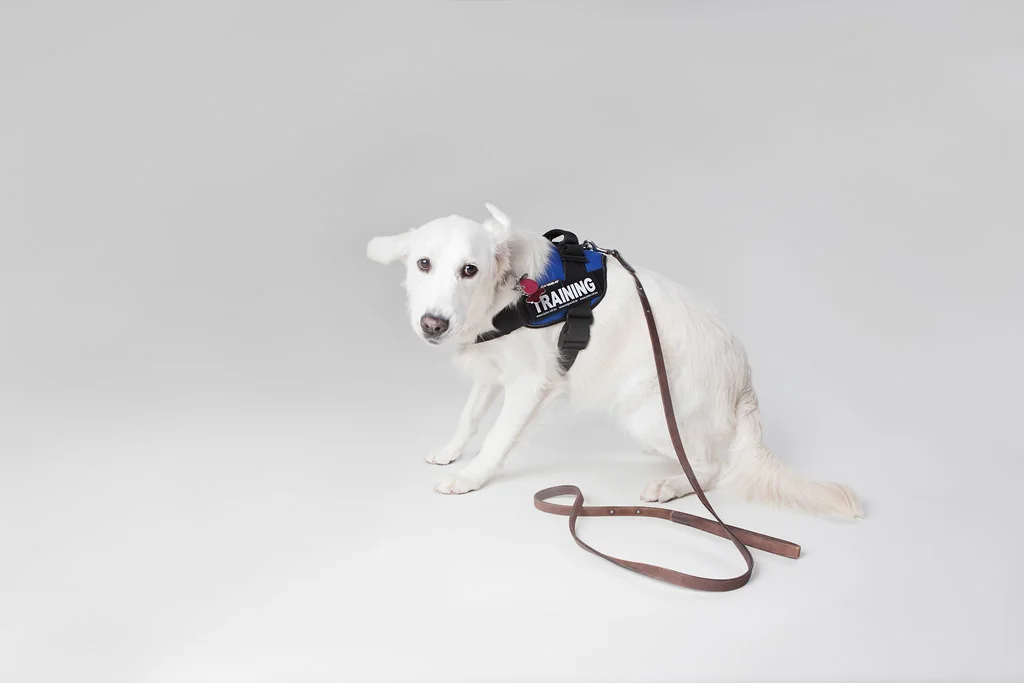
Describe a trained action and its individual purpose. A comforting presence may be meaningful, but it is not automatically the same as service work.
Identify the response already learned and the settings in which it has been observed.
Keep future training, unfamiliar environments, and hoped-for outcomes explicitly separate.
Confirm the handling, transport, and animal-care arrangements for that outing.
Describe the learned response and how the animal remains controlled in the actual environment.
Know who can help the person and dog pause or leave when conditions become difficult.
Discuss the people or services available rather than assuming the animal is the only source of assistance.
Arrange suitable supervision and daily needs while the handler is away.
Bring difficulties to the treating professional instead of treating a paid document as a solution to the outing itself.
Report the current stage. Home performance does not establish that the dog is comfortable or reliable around crowds, other animals, or unfamiliar activity.
Include the human support and care arrangements used without the animal. Do not present the dog as the only available route to assistance.
Describe how control, rest, and basic care are handled. Ask a trainer about signs that the current demands are not suitable for the animal.
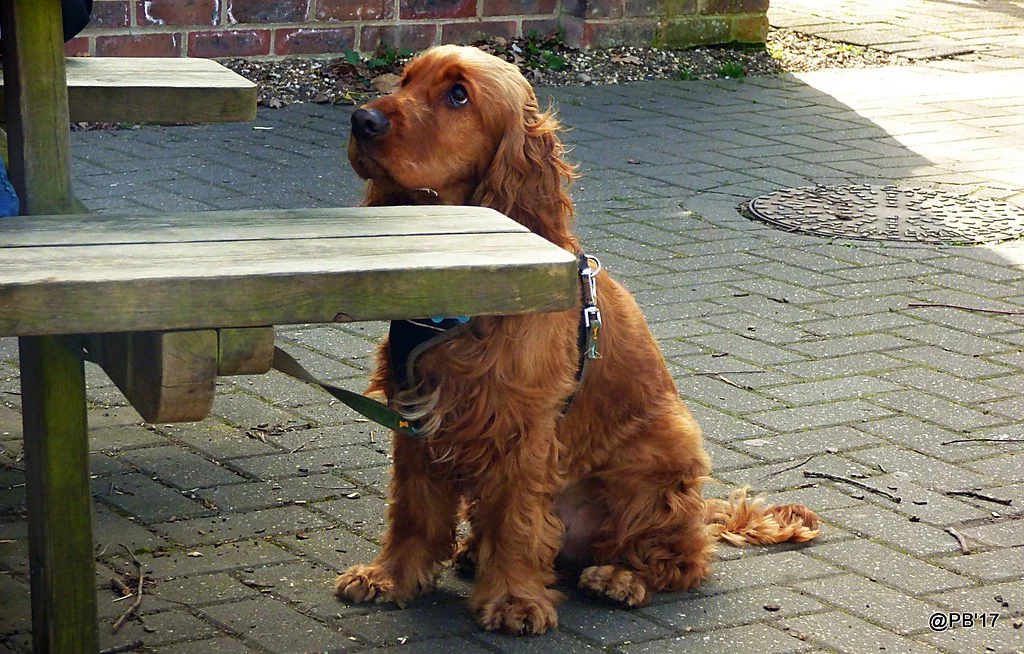
Separate the documentation question from training, treatment, and outing support you may still need to arrange. A paid assessment does not supply a dog, an exposure plan, or a guaranteed change in your ability to travel.
$149.00
24-48 Hour
$159.00
24-48 Hour
$199.00
24-48 Hour
$199.00
24-48 Hour
$225.00
24-48 Hour
Colorado Service Animals does not offer an ESA registry. A professional evaluation determines whether documentation is appropriate; optional cards and certificates do not establish access rights.
Describe the assistance where it has occurred, together with places or circumstances that have not been assessed. Free screening opens a clinical request; it is not an exercise in entering feared environments.
Identify the actual trained action, the relevant limitation and support used when the dog cannot participate.
A Colorado-licensed clinician considers your functioning and relevant history. The clinician may ask about differences between settings.
After approval, the letter is emailed to you. Training readiness and travel arrangements still need their own consideration.
Transit brings its own boarding, space and behavior questions. Keep those practical questions distinct from what an agoraphobia-related letter says about your clinical circumstances.
RTD's accessibility guidance describes service-animal control and seating. Animals must remain clear of aisles and cannot occupy passenger seats.
The same RTD page explains how to request a reasonable modification. Describe the barrier and consult the operator rather than assuming a private letter changes every transit procedure.
No single outing establishes a person’s overall functioning. The clinician considers the individual circumstances, while trained work and public behavior are assessed separately.
Feeling more comfortable is not the same as individually trained disability-related work. Identify the dog’s learned action and discuss its relevance to your limitations.
Describe the settings in which the dog is trained and reliable, along with its limitations. A professional training assessment can help identify realistic next steps.
Distinguish assistance from simply avoiding more places or depending on the dog’s presence. Discuss the proposed role with the treating clinician so the plan can be considered alongside other care.
Name it as a setting you need to discuss, not as evidence of successful assistance. An unfamiliar environment can raise questions that clinical documentation alone cannot answer.
The screening starts the documentation inquiry. Do not stage distressing situations as proof; ask the reviewer what information is needed and discuss any practical assessment with the appropriate professional.
A single successful outing does not describe all functioning, just as one difficult setting does not explain every capability. Share the actual pattern with the evaluator and identify the training questions separately.
Bring the actual training stage and the environments that matter to your agoraphobia-related inquiry. A realistic account can include settings where the dog is not ready to work.