Skip to content
Colorado · Psychiatric service dogs · Training decisions

Psychiatric Service Dog Training in Colorado

Psychiatric service dog training in Colorado starts with a disability-related assistance goal and a suitable dog. Discuss the intended work, observe the dog’s responses and distinguish clinical documentation from the training needed for reliable assistance.

Defined assistance
Observed behavior
Animal welfare
Task learned Response observed Welfare considered

Put the functional goal ahead of a task name

Discuss the assistance goal with the relevant clinician and trainer. A task should address the handler’s disability-related limitation, not simply sound impressive in a letter.

Assess this dog's suitability before assuming a service career

Health, temperament, stress, and behavior affect suitability. Not every dog is a good candidate, and a documentation service cannot determine suitability from a photo.

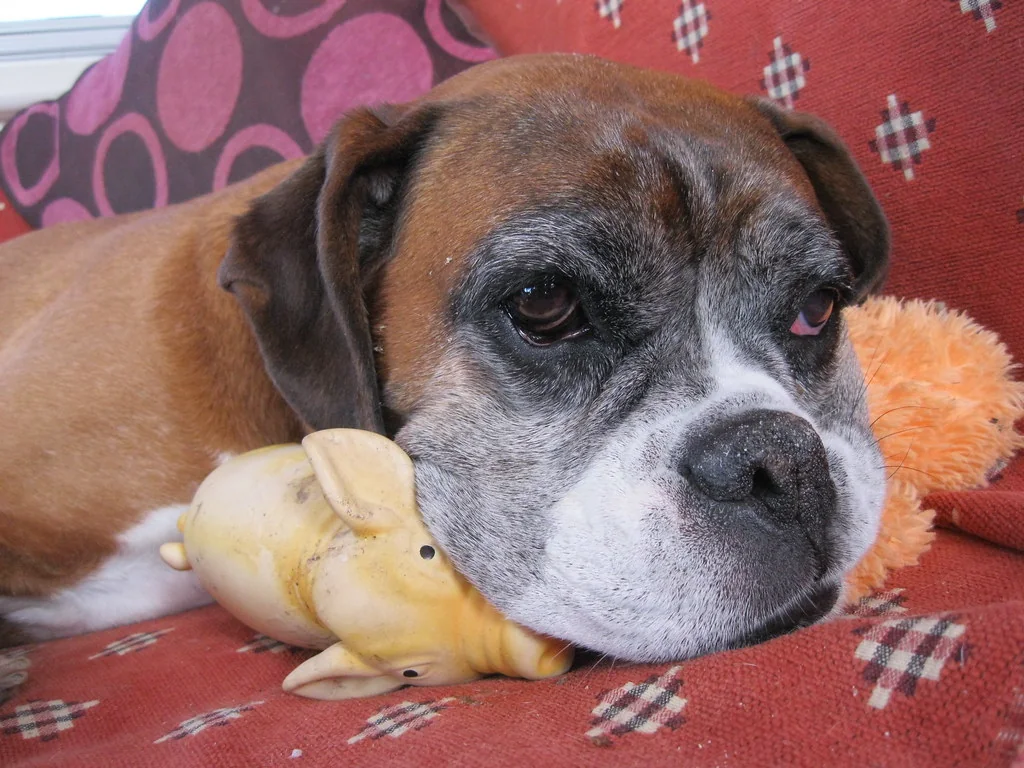
Boxer dog resting its chin on a toy on a pink cushion
andreboeni, CC BY 2.0
Photo detailsMicha the Boxer dog relaxing with toys. Resized and converted to WebP; displayed with responsive cropping.

Distinguish foundations from the assistance task

Ordinary obedience and calm handling are useful foundations, but they are not automatically disability-related work. Identify the additional trained action clearly.

Separate the behavior you practice from the evidence you observe
Training questionWhat to describe
Foundation

Handling and behavior needed to participate appropriately in the environment

Assistance

The specific learned response related to the handler's disability

Reliability

Observed performance, including failures and conditions that affect it

Ask a trainer how progress and suitability are evaluated

Ask about experience, methods, welfare, realistic timelines, and how progress is assessed. Avoid guarantees that any dog can become a service dog in a fixed number of days.

Questions for a prospective training provider
ProcessHow will the plan be adapted to this dog and handler?
ObservationWhat evidence will show that a response is established?
LimitsWhat happens if the proposed work proves unsuitable?

Make the progress record useful when a response is missed

Record the cue, response, setting, and result. Include missed responses and stressful situations so the trainer can adjust the plan using honest observations.

A factual training observation record
ContextCue and actionOutcomeQuestion for the trainer
Place, time and relevant conditionsWhat was asked and what the dog actually didAssistance observed, missed response or interruptionWhat remains uncertain or needs adjustment

Respect access limits and signs that the plan needs help

Training access is its own legal question

The ADA FAQ distinguishes a trained service dog from one still learning. The Colorado Judicial Branch’s ADA guidance explains that C.R.S. 24-34-803 also protects trainers and individuals with disabilities accompanied by service animals in training. Check the applicable setting and retain control of the animal.

Intimidation is not a substitute for assistance

Aggression or uncontrolled protective behavior is not an appropriate substitute for a disability-related task. Seek professional advice if safety or reactivity is a concern.

Wooden Victorian facade of the historic Asbury White House in Denver
Jeffrey Beall, CC BY-SA 2.0
Photo detailsAsbury White House. Resized and converted to WebP; displayed with responsive cropping.
Colorado architecture illustration; this house is not identified as a training facility.
Clinical review alongside training

Assess the documentation request behind the trained assistance

Use a free screening to explain your disability-related needs and the work your dog performs. The assessment concerns clinical documentation; dog training remains a separate responsibility.

Screening information
Describe symptoms, functional difficulties and established assistance accurately.
Colorado professional review
A clinician licensed in Colorado evaluates the clinical request and any necessary follow-up.
Email after approval
When a letter is clinically approved, the document is sent by email for your records.
Free Screening
  • Accurate task account
  • Independent clinical finding
  • Training stays separate

ESA and PSD Pricing for Clinical Documentation

The catalog below concerns evaluation and document products. It does not price a training program, assess a trainer’s qualifications, or certify that your dog is ready for public work.

ESA Housing Letter For One Pet

$149.00

24-48 Hour

  • ESA Documentation
  • Licensed Professional Review
  • 24-48 Hour Processing
  • Valid for 1 Year
  • Digital Copy
  • Renewal Reminders
  • Email Support
Get Started

PSA Letter

$199.00

24-48 Hour

  • PSD Documentation
  • Licensed Professional Review
  • 24-48 Hour Processing
  • Valid for 1 Year
  • Digital Copy
  • Renewal Reminders
  • Priority Phone & Email Support
Get Started

Bundle Packages

Bundle

ESA Letter + Certificate Bundle

$199.00

24-48 Hour

  • ESA Documentation
  • ESA Certificate
  • Licensed Professional Review
  • 24-48 Hour Processing
  • Digital Copies
  • Priority Phone & Email Support
Get This Bundle
Bundle

PSD Letter + Certificate + ID Card

$225.00

24-48 Hour

  • PSD Documentation
  • PSD Certificate
  • PSD ID Card
  • Licensed Professional Review
  • 24-48 Hour Processing
  • Digital Copies Only
  • Priority Phone & Email Support
Get This Bundle
Clinical assessment Secure checkout Current catalog prices

Colorado Service Animals does not offer an ESA registry. A professional evaluation determines whether documentation is appropriate; optional cards and certificates do not establish access rights.

Training questions a letter cannot resolve

  1. Does a clinical letter demonstrate a reliable task response?

    No. Actual training and observed behavior establish the dog's performance. A document may address the clinical question without certifying how the dog behaves.

  2. Should missed responses be left out of the training record?

    Record them accurately. Failures, distractions and stressful conditions help the trainer understand the limits of the current plan.

  3. Can obedience alone establish a psychiatric service task?

    Foundation behavior and disability-related work are different parts of preparation. Identify the specific action that provides the intended assistance.

  4. Can every dog be guaranteed to qualify after a short program?

    A meaningful suitability assessment allows for different outcomes. Health, behavior, welfare and the individual task can affect whether the proposed work is appropriate.

  5. Must a Colorado handler buy a professional training program?

    The ADA permits people with disabilities to train their own service dogs. Skilled help can still be useful for suitability, welfare or reliability concerns; a purchased program is not the source of federal service-animal status. See the DOJ explanation of owner training.

  6. What should I bring to a first trainer consultation?

    Bring the dog’s relevant health and behavior history, your assistance goal and a description of the environments involved. Mention existing difficulties honestly so the consultation can consider whether the proposed work is suitable.

Keep evaluation and training evidence in their proper roles

A letter may address a clinical request, but it does not perform or certify the training. Evaluate the dog’s actual behavior rather than relying on paperwork as proof.

Colorado handler information reviewed October 2026; not medical advice, legal advice or an individualized training plan. Local authority rules and access requirements can change, so check current instructions for the setting. Screening guarantees neither a letter nor a dog’s suitability. CSA is not affiliated with public authorities or housing associations. For crisis assistance, use 988 .

Let observed progress guide the training conversation

Honest training record
Appropriate guidance
Practical alternatives