Describe training with its limits still visible
List the task the dog already performs, its cue, and the situations where it is reliable. Label unfinished work as a training goal rather than a completed capability.
Apply for a Colorado psychiatric service dog letter assessment based on your disability-related needs and the work your dog performs. A Colorado-licensed clinician reviews the clinical question; task training, public behavior and destination requirements need their own evidence.
Clinical support, task performance and permission to enter a destination are separate questions.
Identify the responsible professional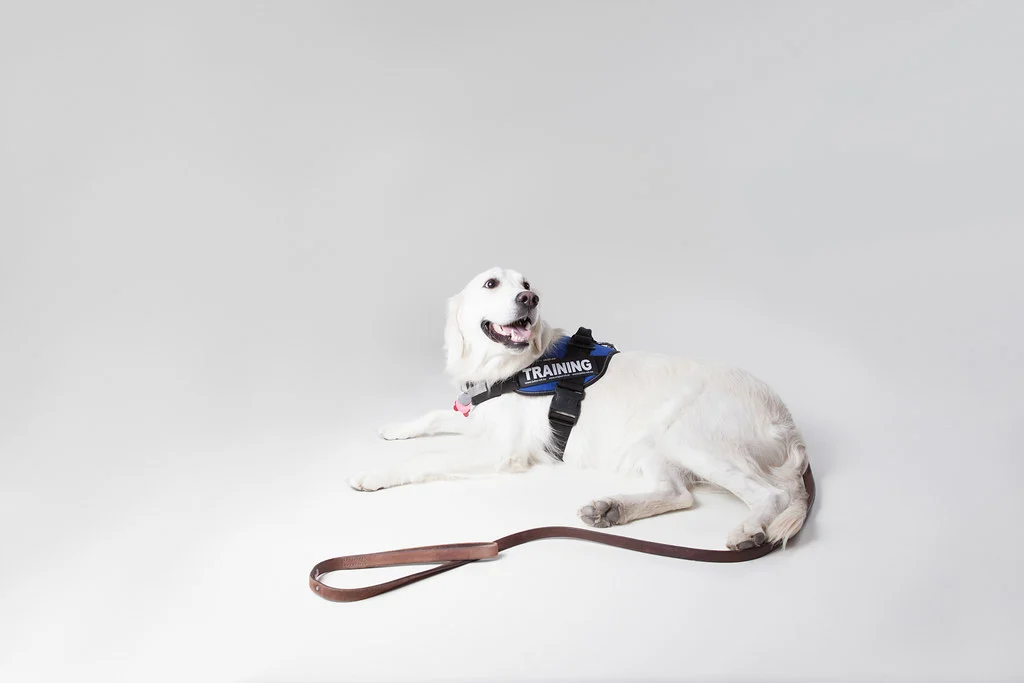
List the task the dog already performs, its cue, and the situations where it is reliable. Label unfinished work as a training goal rather than a completed capability.
The reviewing professional considers the person’s clinical circumstances. Ask what the service covers and understand that it is not a dog-training or public-access certification program.
Use the Colorado DORA license lookup to check the professional’s identity, license type and current record. A dog-training credential and a Colorado mental-health license serve different purposes.
A clinician’s letter does not establish that the dog is controlled, housebroken, or suitable for public settings. Obtain appropriate training input for those questions.
Provide accurate information and read the agreement before signing. Use the account connected to any existing case so the record remains coherent.
Housing, employment, and airline situations can have different processes. Ask what documentation is relevant to the actual setting before paying for an unnecessary product.
Match the selected service to the clinical request and the dog’s actual training status. Optional identification products do not replace the work needed to establish reliable disability-related tasks.
$149.00
24-48 Hour
$159.00
24-48 Hour
$199.00
24-48 Hour
$199.00
24-48 Hour
$225.00
24-48 Hour
Colorado Service Animals does not offer an ESA registry. A professional evaluation determines whether documentation is appropriate; optional cards and certificates do not establish access rights.
Make the reason for requesting documentation clear from the first screening answer. The professional's findings determine whether a letter is appropriate.
Free ScreeningExplain the difficulty, the dog's actual task and where you intend to use the document.
A licensed Colorado clinician considers the request, including questions that cannot be answered by the initial form.
Check the issued letter for accurate personal and animal details before using it for its stated purpose.
Report errors through the issuing service and retain the original file. Do not add tasks or conclusions the professional did not approve.
A document is not the end of the work. Maintain the trained response, the dog’s health, and a backup arrangement for times the dog cannot assist.
Revisit the relevant setting's process when circumstances change, rather than assuming one record will answer every future request.
These questions connect the application to its intended use and the follow-up that may still be needed.
Identify the work as unfinished and describe what has actually been achieved. Do not turn a training goal into a completed capability in an intake answer.
The documentation review concerns the clinical request. Ask a suitable trainer about learning, reliability and behavior in the situations where the dog may need to work.
If you already have a case, begin from its associated account or ask support how to proceed. Keeping the record connected helps avoid unnecessary duplicate information.
Ask the issuing service about corrections or a changed request. Leave signed findings intact until the responsible professional has reviewed and issued any appropriate change.
Use Colorado's official professional-license lookup with the clinician's name and credential details. Ask the service to clarify a mismatch before relying on the record.
The requested document addresses a particular assessment question. Discuss continuing treatment with your treating professional; do not change medication or other care to obtain documentation.

If the issue is a disputed housing accommodation, ask CCRD or a housing adviser about the record and deadlines. CCRD's housing notice states a one-year filing window after the alleged discriminatory act.
Colorado psychiatric-service-dog documentation information, reviewed October 2026, is not medical or legal advice. Verify current destination and local authority rules because requirements can change. Clinical screening does not guarantee a letter or establish a dog’s training. Government agencies and housing associations are independent of CSA's document-evaluation service. If crisis assistance is needed, visit 988 .