Skip to content
Centennial · Clinical records · Local licensing

Which Centennial record answers your animal-assistance question?

A Centennial dog license and clinical documentation answer different questions. Start a free screening to assess your support needs, then check what each receiving office needs from the resulting record.

Purpose before paperwork
Accurate issuer details
Separate license records

Read the title of the record before relying on it

A Centennial dog license, clinical housing document and training record may concern the same animal while establishing different facts.

Fountain pen and handwritten notebook beside ink bottles
Fred Merchán, CC BY-SA 2.0
Photo detailsWriting Tools. Resized and converted to WebP; displayed with responsive cropping.

Three questions to ask of a document

Who issued it?
Identify the municipality, clinician or training professional behind the record.
What did they consider?
Read the stated purpose rather than inferring a broader approval from a logo or seal.
What remains unaddressed?
Keep separate questions open until the responsible person answers them.
Compare the three purposes

Three files, three limits on what they establish

The municipal file

Its subject
The animal's local administrative record.
Its limit
It does not describe your disability-related housing need.
Centennial licensing instructions

The clinical file

Its subject
The individual's assessed circumstances and recommendation, if supported.
Its limit
It does not demonstrate a dog's actual task performance.
Centennial housing evaluation

The training file

Its subject
The dog's learned assistance, handling, and observed behavior.
Its limit
It does not replace a required municipal animal record.
Training and suitability guidance

A Centennial dog's city record has its own timing

The city's animal-license instructions require licensing for dogs older than six months and give owners 30 days after bringing a dog into the city to obtain it.

Animal and address
Check the actual residence and the dog's details against the municipal instructions.
Local application
Follow the city's linked licensing service for the current record, fee and renewal options.

Centennial ESA and PSD Pricing by Document Purpose

Read what each current plan includes and what it is intended to document. More products in a bundle do not establish more training or broader access.

ESA Housing Letter For One Pet

$149.00

24-48 Hour

  • ESA Documentation
  • Licensed Professional Review
  • 24-48 Hour Processing
  • Valid for 1 Year
  • Digital Copy
  • Renewal Reminders
  • Email Support
Get Started

PSA Letter

$199.00

24-48 Hour

  • PSD Documentation
  • Licensed Professional Review
  • 24-48 Hour Processing
  • Valid for 1 Year
  • Digital Copy
  • Renewal Reminders
  • Priority Phone & Email Support
Get Started

Bundle Packages

Bundle

ESA Letter + Certificate Bundle

$199.00

24-48 Hour

  • ESA Documentation
  • ESA Certificate
  • Licensed Professional Review
  • 24-48 Hour Processing
  • Digital Copies
  • Priority Phone & Email Support
Get This Bundle
Bundle

PSD Letter + Certificate + ID Card

$225.00

24-48 Hour

  • PSD Documentation
  • PSD Certificate
  • PSD ID Card
  • Licensed Professional Review
  • 24-48 Hour Processing
  • Digital Copies Only
  • Priority Phone & Email Support
Get This Bundle
Clinical assessment Secure checkout Current catalog prices

Colorado Service Animals does not offer an ESA registry. A professional evaluation determines whether documentation is appropriate; optional cards and certificates do not establish access rights.

A housing request needs the person's clinical context

Describe which daily activities are limited, what support the animal provides and the change requested at the residence. A license tag cannot supply that history.

Attach the question you were actually asked

Bring the receiving property's form intact. If a statement is unfamiliar, ask the evaluation team to review it instead of adding it to a signed professional document yourself.

Prepare information the clinician can assess
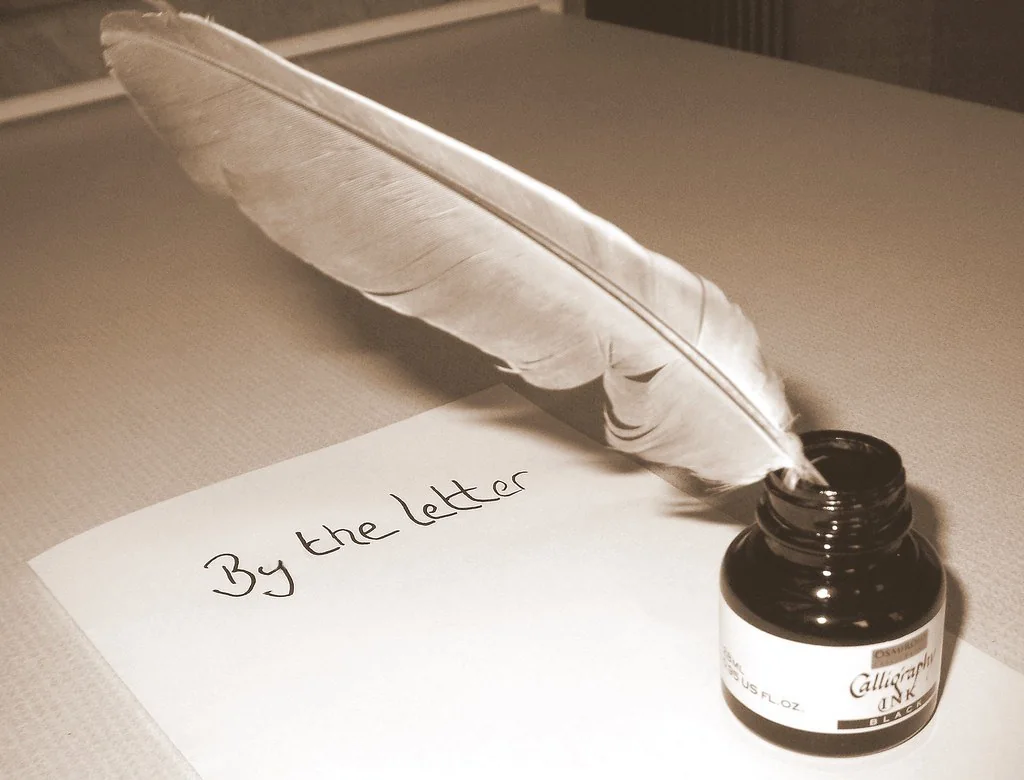
Quill pen and ink bottle beside a handwritten page
sure2talk, CC BY 2.0
Photo detailsQuill. Resized and converted to WebP; displayed with responsive cropping.
Send personal assessment information through the clinical channel, keeping the housing recipient's request identifiable.
  1. Identification claim
    A card says the dog is a service animal

    The printed label does not demonstrate trained work. Describe what the dog actually does in response to a disability-related need and address handling separately.

  2. Housing recommendation
    A letter recommends an animal for housing

    Read the recommendation within its stated purpose. Do not treat it as an account of training that the professional did not evaluate.

  3. Municipal record
    A city record identifies the animal

    Use it for the administrative question it answers. It is not an assessment of the person's symptoms or functioning.

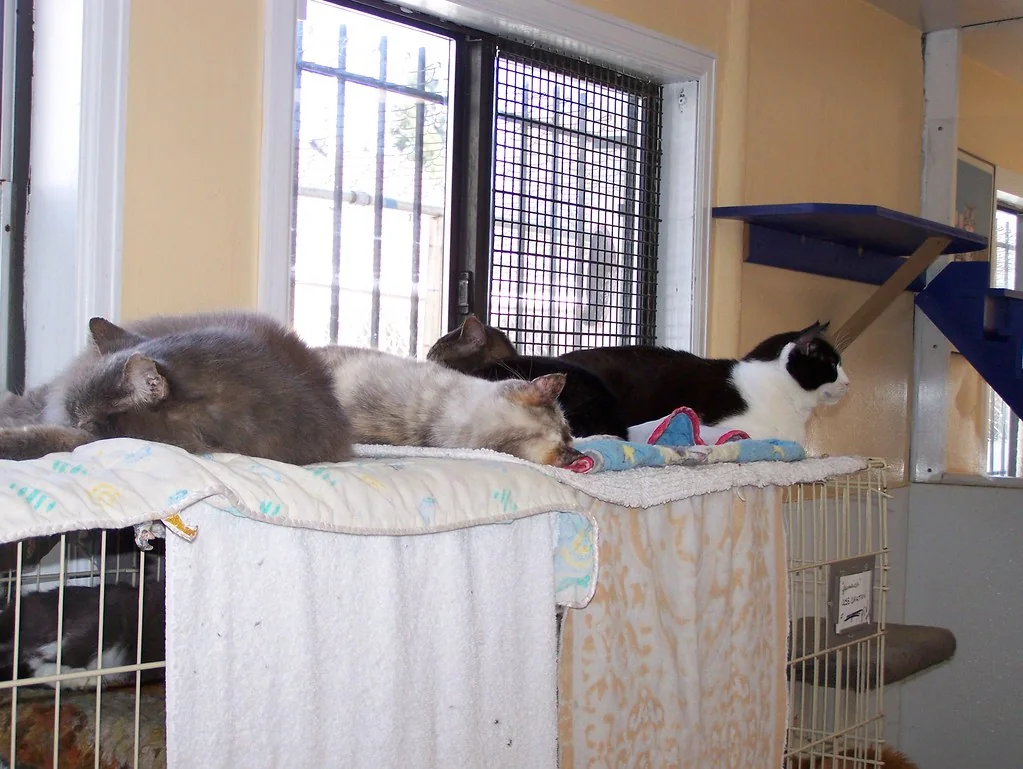
Cats resting together on a raised indoor bed
Rocky Mountain Feline Rescue, CC BY 2.0
Photo detailsFIV FeLV cats sunning 009. Resized and converted to WebP; displayed with responsive cropping.

Share the record relevant to the Centennial question

If a recipient asks about a municipal license, sending an entire clinical history is unlikely to clarify that administrative issue. First ask which fact needs to be established and which record is relevant.

What is the recipient asking about?

Centennial licensing, clinical evidence, and training FAQs

Read each answer according to the record it concerns.

Administrative records

Which Centennial document proves the dog is licensed?

Use the record issued through the applicable local licensing process. An ESA or PSD clinical document is not a substitute for that administrative record.

Can a license or purchased card establish task training?

No. The dog’s learned behavior must be described and assessed on its own. Identification products cannot establish disability-related work by themselves.

When does Centennial require a new resident's dog to be licensed?

The city's published instructions give 30 days after a dog is brought into Centennial and apply to dogs over six months old. Verify the current requirements directly when completing the local application.

Professional findings

What belongs in a Centennial housing request?

A Centennial housing request should explain why an animal is needed in the residence. A local dog license can sit alongside the records but does not answer that clinical question.

What does a Centennial service-work description need beyond identification?

For a PSD discussion, specify what the dog has learned to do for the handler. Neither a license tag nor an optional identification card demonstrates the task or the dog’s control in public.

Should I edit the clinician's Centennial letter to match a new form?

Ask the issuing professional to assess the requested change. Send the actual form or question through your case account and preserve the original document while awaiting a response.

Make the next Centennial document exchange precise

  1. Name the question. Identify the particular requirement or fact the recipient is asking about.
  2. Choose the relevant record. Keep municipal, clinical, and training information clearly identified.
  3. Preserve the response. Retain dates and copies if clarification is needed later.
Sources and review date: October 11, 2026

Centennial document guidance, current as of October 2026, for households checking the purpose of their records. It is not legal advice, and local authority rules can change; verify requirements with the receiving office. Screening does not guarantee a letter, regardless of paperwork already purchased. CSA has no association with Centennial government or local housing organizations. Someone in crisis can contact 988 .

Follow the assessment before relying on a recommendation

  1. Complete the free screening.

    Explain the documentation purpose and the animal involved.

  2. Meet the Colorado-licensed reviewer.

    Discuss your actual limitations, history and support needs.

  3. Check the approved digital letter sent by email.

    Read the issued wording before supplying it to the relevant recipient.

A move can change the recipient without changing the animal's role

Changed address
Confirm which municipality serves the new residence before transferring old licensing assumptions.
Changed property contact
Ask the new recipient how to submit the housing request and retain its instructions.
Changed support circumstances
Tell the clinical professional about relevant differences instead of reusing an account that no longer describes your life.

Send the Centennial recipient evidence for the question asked

Ask what fact the recipient needs to establish before sending a document. For a Centennial household, keeping the license, housing evidence, and trained-work description separate makes the record easier to understand.

Current evidence assembled
Qualified professional review
No document shortcuts