ESA Housing Letter For One Pet
$149.00
24-48 Hour
- ESA Documentation
- Licensed Professional Review
- 24-48 Hour Processing
- Valid for 1 Year
- Digital Copy
- Renewal Reminders
- Email Support
An OCD-related request should explain daily interference and observed animal support without requiring a perfect account. Free screening opens an individual discussion about the accommodation you are seeking at home.
An OCD housing discussion is about the effects of your own symptoms and circumstances. Describe how intrusive thoughts or repetitive behaviors interfere with a home activity; a preference for neatness does not explain that experience.
You can tell the evaluator what is difficult without sharing the same sensitive detail with everyone involved in a housing request.
Describe the difficulty that was present before the animal became involved.
Record what actually happened, including any immediate sense of comfort.
Were you able to return to the activity, or did checking, cleaning, or seeking reassurance continue?
Include other occasions so one helpful interaction is not presented as the only possible outcome.
An immediate feeling of reassurance is not a complete clinical assessment of whether an interaction is helpful. Discuss that distinction with the professional who understands your OCD care.
A brief example can be sufficient to begin the conversation. You do not have to reconstruct every interaction or create a flawless diary for an ESA application.
If documenting the experience itself becomes difficult, tell the clinician and ask how to provide the relevant information in a workable way.
These options use the current centralized service catalog. Buying a larger bundle does not resolve uncertainty about whether an animal-related arrangement is clinically helpful.
$149.00
24-48 Hour
$159.00
24-48 Hour
$199.00
24-48 Hour
$199.00
24-48 Hour
$225.00
24-48 Hour
Colorado Service Animals does not offer an ESA registry. A professional evaluation determines whether documentation is appropriate; optional cards and certificates do not establish access rights.
Explain whether feeding, grooming, cleaning, or checking on the animal becomes burdensome. Do not remove those details to make the application sound more favorable.
Questions about compulsions, reassurance, or changes to treatment belong with an appropriate treating professional. A letter purchase is not a treatment plan.
Consider who can cover ordinary animal care when it becomes difficult, and discuss that person's practical availability before relying on it.
An ESA housing request concerns disability-related support in the home. A dog performing individually trained work or tasks raises separate service-animal questions; companionship alone does not grant ADA public access .
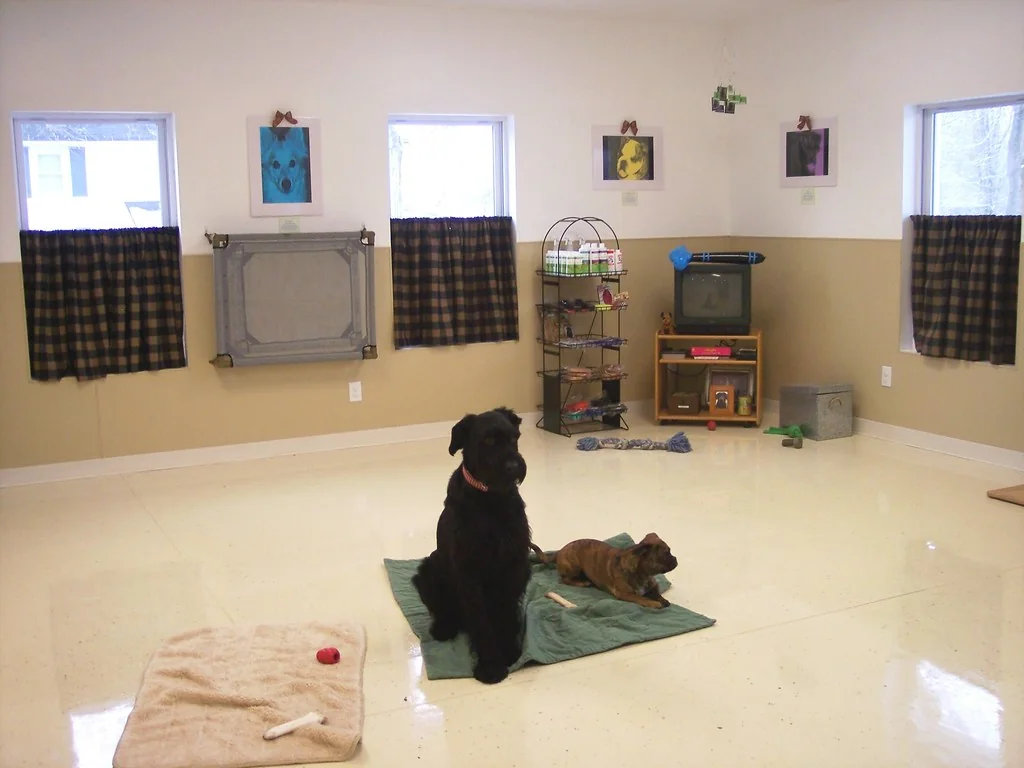
Read about OCD-related trained assistanceThe training-room image earlier in this guide illustrates an animal setting. It does not suggest that an ESA must take a service-dog course.

Explain both the support and the difficulties. The evaluation is a clinical conversation, not a checklist that must be made uniformly positive.
Start with the interrupted activity and the housing-support question. Use your own account of animal involvement rather than an example chosen to sound persuasive.
A clinician licensed in Colorado assesses the need and relevant uncertainties. Explain when reassurance was followed by resumed activity and when it was not.
An approved letter is sent by email. A finding that documentation is not appropriate is also possible; no amount of favorable wording guarantees it.
A request for clarification does not mean you should rewrite the signed letter or disclose a complete account of obsessions and compulsions.
Save the office's actual question, form or message. This gives the issuer the wording to assess rather than a second-hand interpretation.
Explain which detail the recipient says is unclear. Ask what response belongs in the housing record and what should stay within clinical correspondence.
The professional can decide whether a correction, clarification or further review is needed. Do not sign a clinician-only field yourself.
Use the question that matches your uncertainty: the purpose of the review, how to describe support or what belongs in the notes.
Yes. That information can matter to the clinical assessment. Describe the pattern and discuss it with your treating professional rather than labeling all animal-related routines as beneficial.
The evaluator needs an individualized account of functional impact and support. Reassurance by itself is not an automatic basis for documentation.
No. Treatment decisions belong in an appropriate clinical relationship. This service evaluates a specific documentation request.
Use an example of a routine interrupted by obsessions or compulsions, then explain what happens when the animal is involved. Include any added checking, cleaning, reassurance, or care-related difficulty.
You can begin with a relevant example and identify gaps. If making the record becomes difficult or burdensome, tell the clinician and ask what information is necessary instead of trying to perfect it.
Describe both facts. Feeling comforted and returning to an activity are different observations; the professional can consider their significance without you deciding the clinical conclusion.
For people considering OCD-related accommodation documentation in Colorado; reviewed October 2026. These examples are not medical advice or legal advice. Recheck local authority instructions because requirements can change. Screening does not guarantee a letter, and an animal is not a substitute for treatment. CSA is unaffiliated with government agencies or housing associations. For crisis assistance, contact 988 .
Explain how the animal affects a specific activity at home and identify concerns about care, reassurance, or repetitive routines. An accurate assessment needs the mixed effects as well as the benefits.