ESA Housing Letter For One Pet
$149.00
24-48 Hour
- ESA Documentation
- Licensed Professional Review
- 24-48 Hour Processing
- Valid for 1 Year
- Digital Copy
- Renewal Reminders
- Email Support
Discuss a PSD letter for social anxiety in Colorado through a private clinical review of your functional needs. Describe the taught assistance, public handling and any attention the animal brings without assuming it removes every difficult interaction.
The intended supportWhat does the learned action help you do? | Explain the specific disability-related assistance rather than saying only that being near the dog feels easier. |
|---|---|
The surrounding interactionWhat changes when people notice the dog? | Describe questions, attention, and handling demands that may affect the experience. Include difficult interactions as well as helpful ones. |
A suitable discussion makes room for both sides. Documentation cannot promise that strangers will stop approaching or that every social situation will become comfortable.
Identify the cue, the dog’s taught behavior, and the activity it assists with. Avoid using a vest, card, or diagnosis as a replacement for this explanation.
“When [the actual cue occurs], my dog performs [the learned action], which assists me with [the relevant functional difficulty].”
A description prompt to complete truthfully, not a ready-made clinical statement
Aggression or intimidation should not be presented as an assistance task. Discuss safe and appropriate behavior with a qualified trainer.
Where the role is not obvious, ADA guidance permits limited questions about disability-related need and trained work. Review the actual rule rather than assuming a purchased document must be shown.
Read the official permitted-inquiry guidanceA plain description of the actual trained work is different from a full account of social-anxiety symptoms. The ADA ’s public-business inquiries do not require that detailed history.
Preparing accurate words in advance may make the discussion more organized. Tell your clinician and trainer if the interaction itself creates a practical difficulty to consider.
Check that setting’s process separately. A rule for a store’s service-animal inquiry should not be treated as the answer to every accommodation or carrier request.
If an interaction becomes a discrimination concern, retain the date, setting and wording of the request or refusal. Keep the account factual rather than trying to settle it by disclosing additional health history.
No such outcome can be promised. Dogs may attract attention, and a suitable assistance plan must account for that as well as the trained disability-related work.
Include that concern. Public handling can involve questions and interactions, and the practical demands should be considered alongside the dog’s trained assistance.
No. Under the ADA , permitted inquiries when the role is not obvious concern disability-related need and trained work. They do not require a full clinical history.
Define the disability-related action in terms a trainer can observe. Do not use aggression, intimidation, or blocking other people’s lawful movement as a substitute for appropriate assistance.
Yes. Write down relevant experiences and the dog's role in them, using examples that actually occurred. Ask which information the clinician needs rather than writing a statement designed only to sound persuasive.
Report it as part of the handling picture. Explain what happened to the learned action and your participation, then discuss the training question separately from the clinical need for documentation.

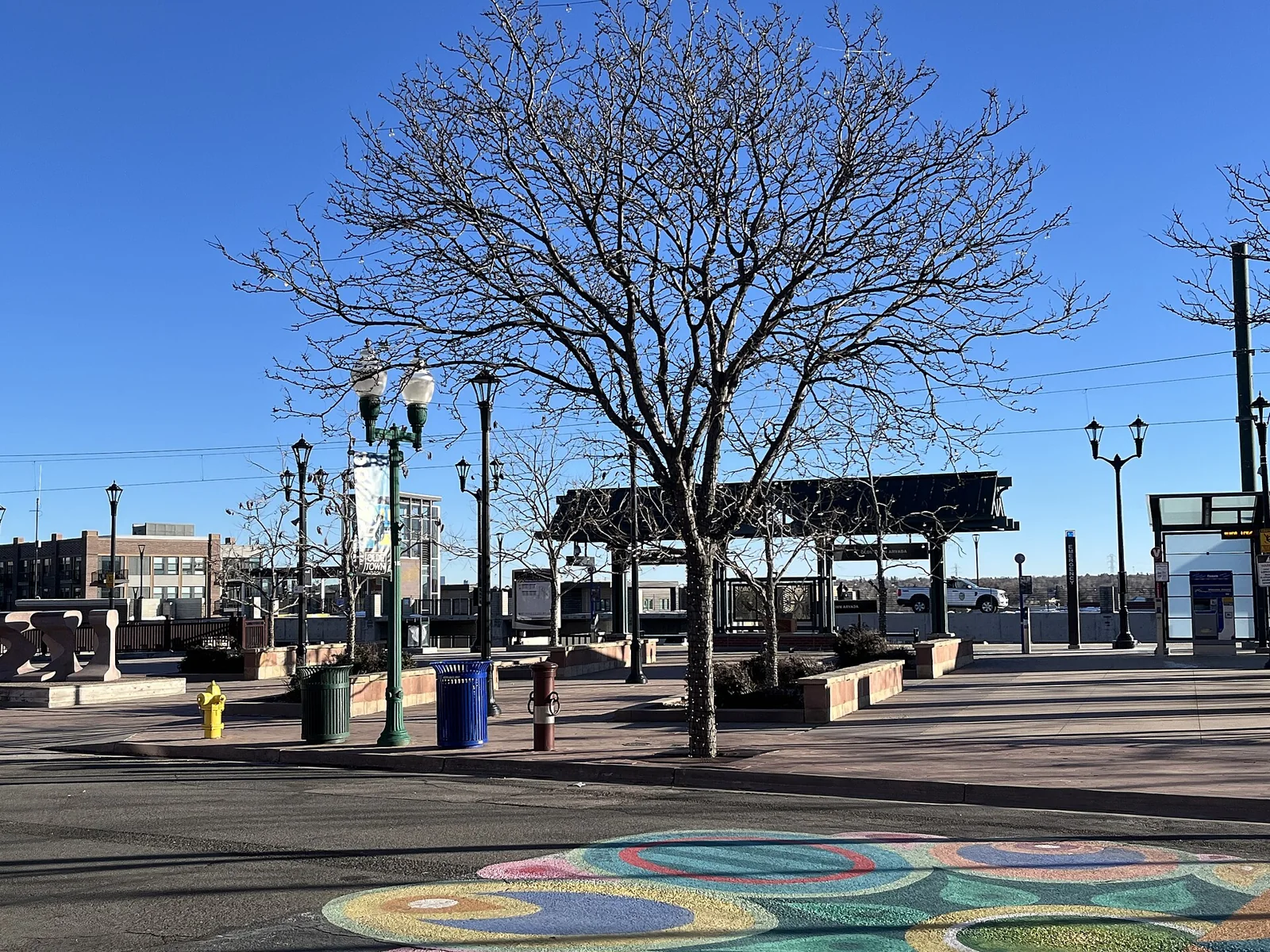
The Colorado location photograph provides context for public activity; it is not a recommended exposure exercise or evidence of a particular dog’s readiness.
The assessment may need more information than a brief public task description. Use the clinical channel for relevant symptoms, limitations, and concerns about the additional attention a dog attracts.
Open the private case conversationYour application should explain the experience as it is. Describe trained assistance and the effect of attention toward the dog, including situations that remain difficult.

Social-anxiety documentation information for people in Colorado; reviewed October 2026. Read the social-anxiety task examples as general explanations, not advice about your medical care or legal rights. Local authority instructions can change, so verify current procedures. Screening does not promise approval or remove public-handling responsibilities. CSA is unaffiliated with public agencies and housing associations. Crisis counseling is available from 988 .
Compare the service scope after preparing your questions about participation and communication. The evaluation charge does not certify how the dog will behave in every social environment.
$149.00
24-48 Hour
$159.00
24-48 Hour
$199.00
24-48 Hour
$199.00
24-48 Hour
$225.00
24-48 Hour
Colorado Service Animals does not offer an ESA registry. A professional evaluation determines whether documentation is appropriate; optional cards and certificates do not establish access rights.
Explain the action the dog performs and how you manage the interaction surrounding it. A social-anxiety-related assessment should consider your actual experience rather than promise effortless public access.