ESA Housing Letter For One Pet
$149.00
24-48 Hour
- ESA Documentation
- Licensed Professional Review
- 24-48 Hour Processing
- Valid for 1 Year
- Digital Copy
- Renewal Reminders
- Email Support
Thornton provides an Animal Control contact for local animal concerns. Begin free screening for clinical documentation while keeping the home-support need separate from a specific building incident or handling question.
“There is an issue with the animal” is too broad to guide a useful conversation. Identify the place, the observed behavior or barrier, and the adjustment being discussed before connecting it to a housing request.
Explain which property practice you are asking to change and how it relates to the disability-related need. Discuss a workable handling arrangement at the same time, without assuming one general letter decides every common-area question.
What adjustment would address the identified barrier?
How will access, supervision, and cleanup work in that space?
The following prices and included services are supplied by ASA. A clinical review can address a documentation need; purchasing it does not determine the solution to a building-management or behavior concern.
$149.00
24-48 Hour
$159.00
24-48 Hour
$199.00
24-48 Hour
$199.00
24-48 Hour
$225.00
24-48 Hour
Colorado Service Animals does not offer an ESA registry. A professional evaluation determines whether documentation is appropriate; optional cards and certificates do not establish access rights.
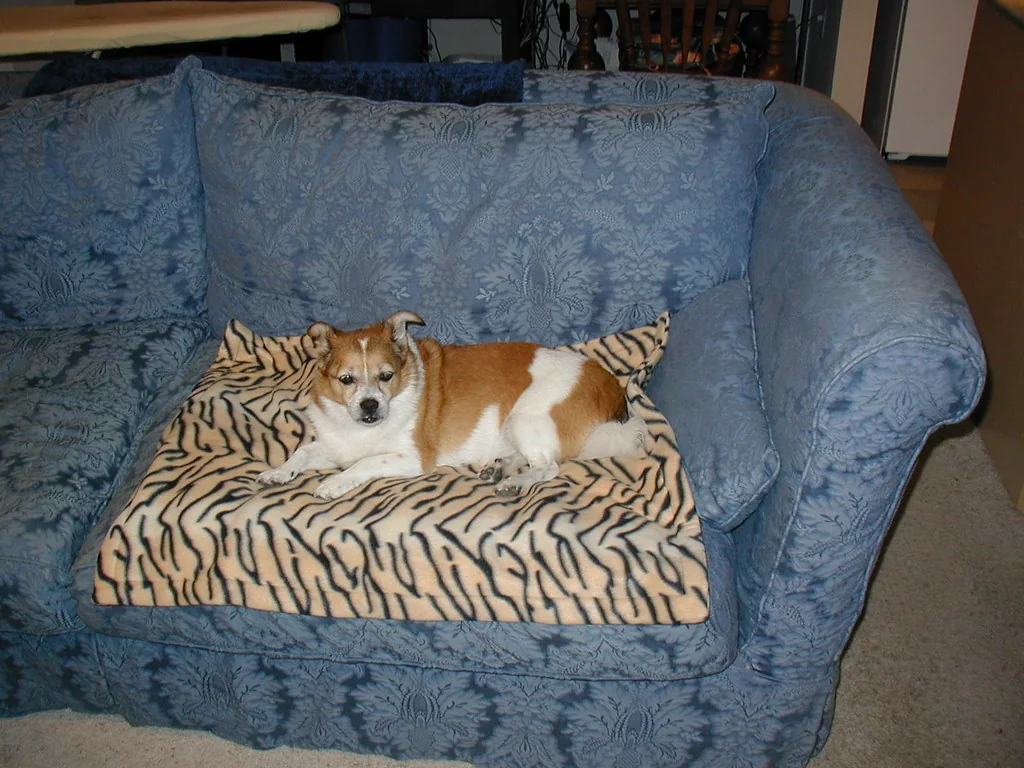
Describe how the animal relates to the limitation you experience in the home. Use specific personal examples, including what the animal’s presence helps with and what it does not resolve.
A neighboring resident’s concern and the clinical need may both require attention, but they are different topics. Use an appropriate channel for clinical information instead of placing private history in a shared building conversation.
Organize the evaluation discussionFor a psychiatric service dog, explain the action learned for the handler’s disability and the arrangements for keeping the dog appropriately controlled. Its value to the handler does not answer every behavior question.
Keep the account specific to the dog’s learned response. A future training goal should remain labelled as future work.
Plan supervision, care, and a response when the animal becomes difficult to manage. Discuss persistent problems with an appropriate professional.
Thornton Animal Control publishes its contact information for city animal matters. Use that office for the administrative question within its responsibility; a clinician cannot resolve a municipal enforcement issue through wording alone.
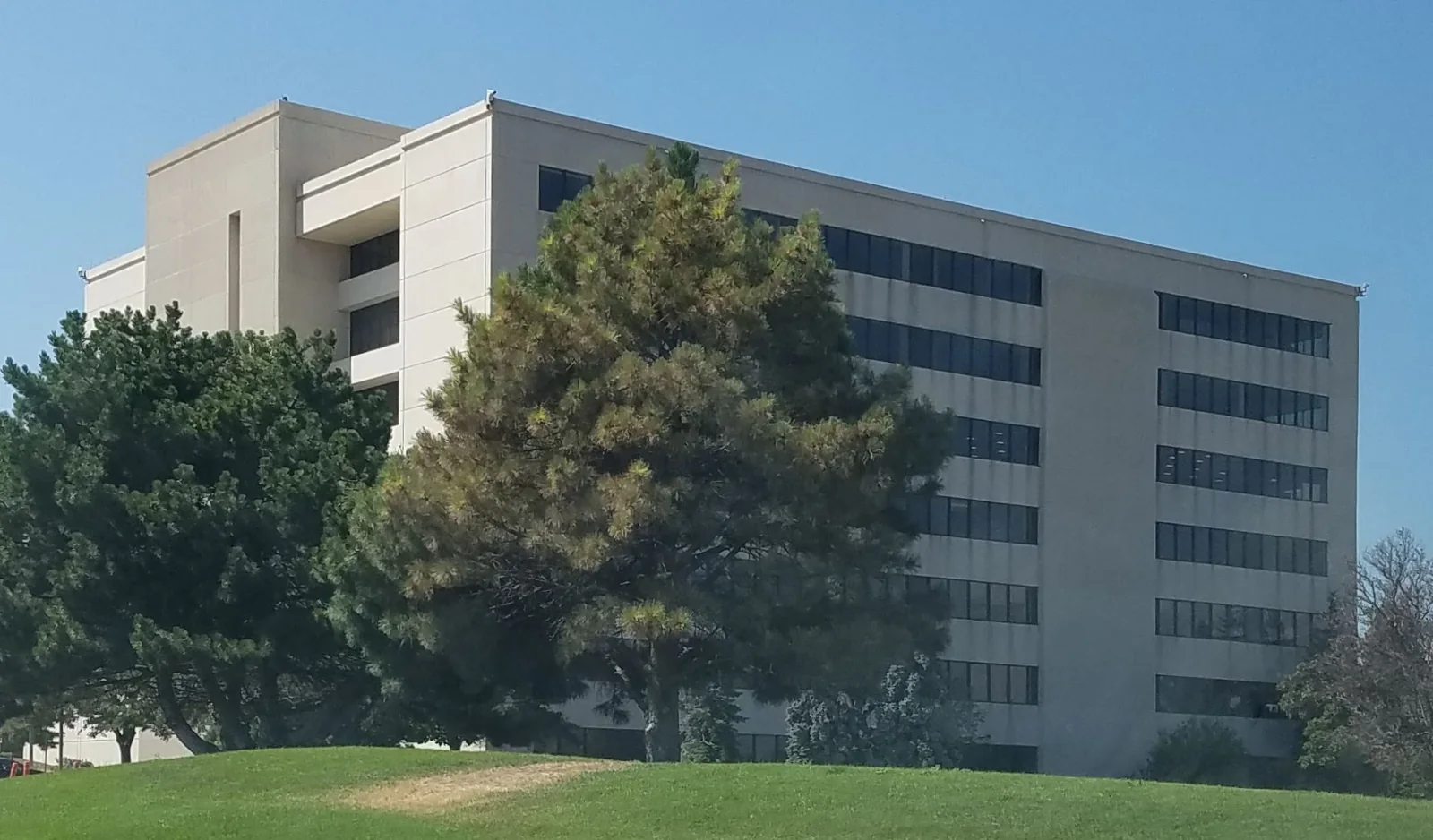
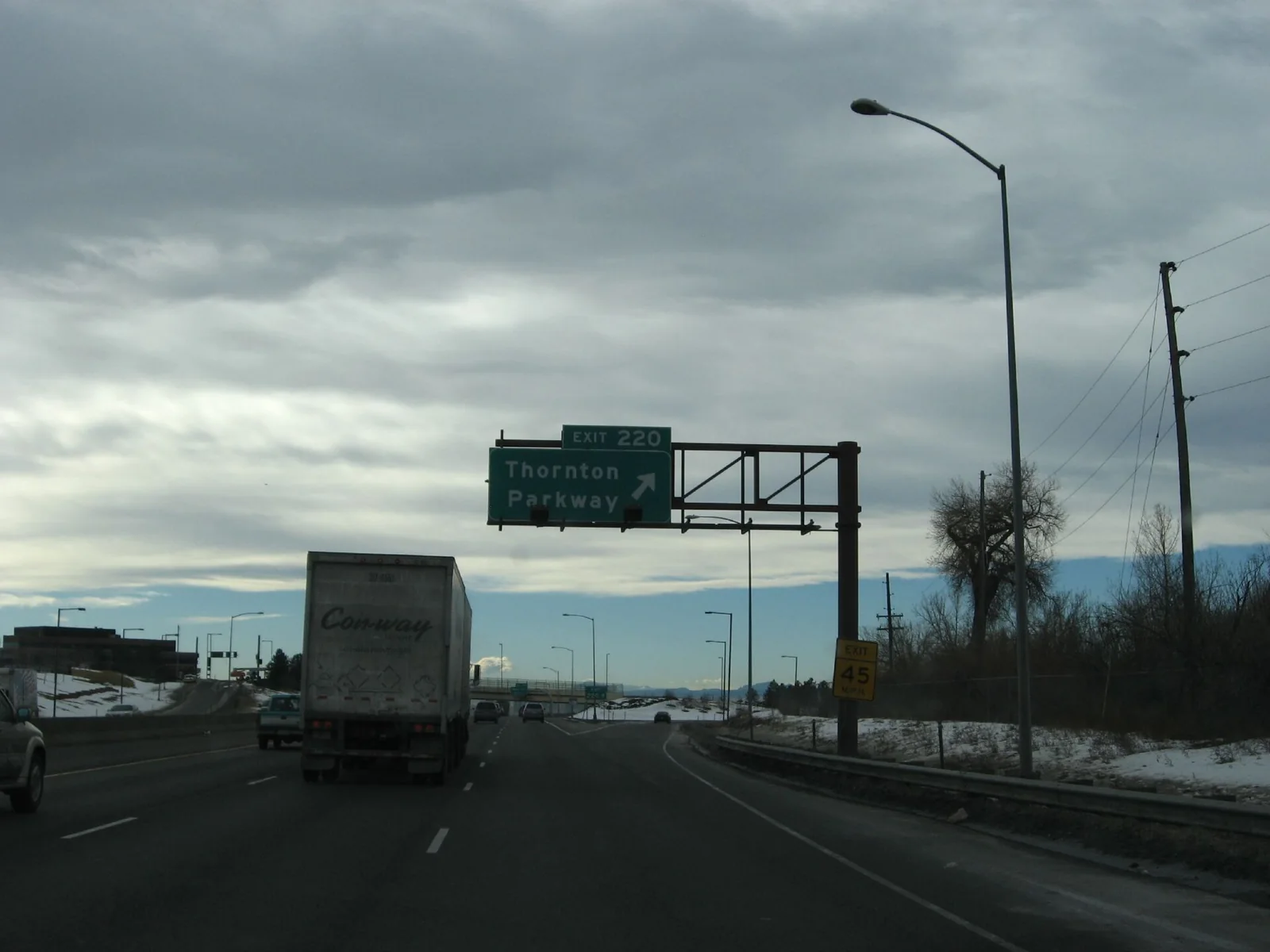
Thornton Animal Control 720-977-5250Current contact informationThe Thornton photographs provide location context. They do not identify a CSA office, a partner property, or an accommodation-approved building.
Describe the adjustment clearly and ask the housing provider to consider it through the appropriate process. Do not assume a general letter decides every shared-space question.
No. A service role does not erase handling responsibilities. Describe trained work accurately and address behavior or safety concerns directly.
A Thornton housing request may include practical questions about entrances and shared spaces. Describe the specific adjustment sought rather than assuming the request to keep an animal covers every common-area issue.
For a task-trained dog, explain both the learned assistance and the handler’s control. An animal’s importance to the person does not make disruptive or unsafe conduct irrelevant.
The city publishes an Animal Control contact through its official directory. Use that contact for a municipal animal concern; ask the housing reviewer about the accommodation and the clinician about private clinical information.
Record the location, time, observed behavior and action taken. Separate those facts from assumptions about another resident’s motives or a diagnosis, and identify any practical arrangement you want reviewed.
For Thornton residents preparing housing and shared-space conversations; current as of October 2026. These suggestions are not legal advice. Verify the applicable instructions directly because local authority rules can change. Screening does not guarantee a letter or resolve a behavior complaint. CSA operates independently of Thornton government, building managers and housing associations. For crisis assistance, reach 988 .
Separate your private clinical account from a report about a corridor incident. The clinician needs relevant health information; building management needs a clear accommodation request.
Confirm Colorado professional licensureStart with truthful answers about the concern and animal, rather than a promise of a particular approval.
A Colorado-licensed professional considers your needs and the support reported in the residence.
When a letter is approved, review the emailed document for accuracy before using it in your housing correspondence.
A documentation order should not be used as a response to every problem in a shared building.
Frame the Thornton request around the actual adjustment and the concern being discussed. A precise record supports a clearer conversation than a broad claim that an animal's status answers every shared-space issue.